Apple's Schematic Ended Up Inside an AI Agent
The fight over whether Chang Liu stole a circuit schematic is the easy part. The hard part is what happens when 'use' means teaching a machine.
The consensus says this is a rogue-employee story. Ex-engineer steals files, joins competitor, gets caught. That framing is going to cost you.
This is not a document-theft case. It is the first documented instance of a proprietary hardware schematic being fed into an AI agent's working loop — and the legal category for that does not yet exist.
What the Forensics Actually Show
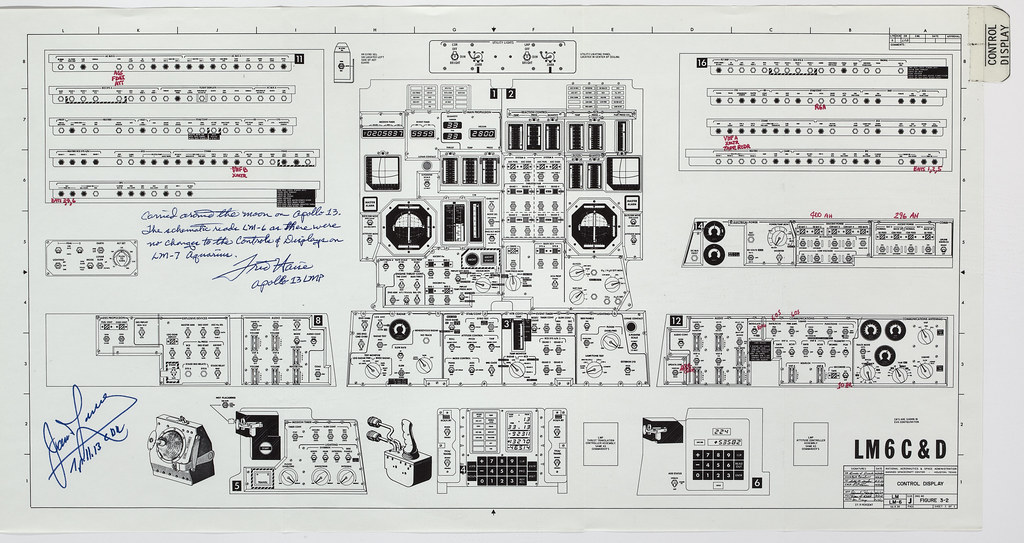
Apple filed what it calls "shocking evidence" in its lawsuit against OpenAI after the legal counsel for former Apple employee Chang Liu handed over his old work laptop. What came off it is specific: Liu downloaded a confidential Apple circuit schematic in March, two months after leaving the company, then used it to run electrical engineering simulations in LTspice for power conversion development work.
That would be a clean misappropriation case. Then it gets interesting.
Liu trained an AI agent to run LTspice, writing that "in the past hour" his agent "learned how to run LTspice, look at result, tune compensation parameter." The schematic was the agent's curriculum.
Liu used the Apple schematic on a Mac mini that later synced via iCloud to the MacBook he took from Apple — how Apple discovered it. Apple now wants to investigate that Mac mini and other devices still in his possession.
Apple's filing alleges Liu sent instructions to an OpenAI colleague to destroy evidence, and the colleague confirmed she would comply. Destroyed evidence tells you the people involved understood exactly what they had.
Apple escalated in a court brief supporting its motion for expedited pretrial fact-finding. Translation: Apple is terrified that the Mac mini gets wiped before a judge forces anyone to image it.
The Question Nobody Has Answered
Here is where the story stops being about Chang Liu and starts being about every AI company that trains on employee-sourced data.
Apple argues that when trade secret information is fed into an AI agent that learns from it, that learning "may create irreversible and continually propagating uses of the trade secret." Traditional trade secret relief — injunction, return of documents, disgorgement — assumes the thing stolen can be isolated and contained. A weight in a neural network cannot be unlearned.
There is no file to delete and no injunction that restores the status quo.
The law is not ready for this. Courts are still working out how trade secret doctrine applies to AI-generated outputs and training pipelines. What is not ambiguous is the liability exposure: Civil liability under the Defend Trade Secrets Act does not require intent. Use of a trade secret obtained through improper means, even indirectly, constitutes misappropriation.
OpenAI's posture makes this worse for them. The company asked the court to dismiss Apple's lawsuit, called the accusations "meritless," opposed expedited discovery, and then the forensics landed. Apple now asserts OpenAI's resistance could indicate active evidence destruction.
You do not oppose expedited discovery when you have nothing to hide.
If Apple wins on the "irreversible ingestion" theory, every AI company will need to document its training data intake differently. If the model later reproduces that information in response to third-party prompts, the deploying company — not just the employee — faces potential misappropriation liability. That is corporate negligence with a billion-dollar radius.
If Apple loses, hardware makers have no legal remedy for secrets encoded in model weights. The schematic is in there, doing work, and there is no legal hook to stop it.
Apple's lawsuit alleges a pattern of theft directed by OpenAI's senior leadership, including Chief Hardware Officer Tang Tan — who allegedly used Apple's confidential project code names during recruiting and asked job candidates to bring Apple hardware components to interviews. That context matters because it shifts Liu from lone actor to instrument. Instruments usually mean the company is in the dock, not just the person holding them.
What to watch: Whether the court grants expedited discovery before Mac mini forensics disappear. Whether OpenAI files evidence that Liu's access was isolated and unsanctioned — its only clean exit. Whether Apple's "irreversible ingestion" framing survives a motion to dismiss; if it does, every AI company with loosely-sourced training data faces undisclosed material legal exposure. And watch the EU AI Act enforcement desk: cross-border data provenance requirements give European regulators a door into this case that US discovery rules do not.
- Apple shares 'shocking evidence' against former employee accused of stealing company data for OpenAI
- Apple Says Former Engineer Used Stolen Trade Secrets at OpenAI, Taught AI Agent to Run Them
- Apple Accuses OpenAI of Destroying Evidence in Trade Secrets Lawsuit
- Apple reveals 'shocking evidence' from ex-employee's MacBook in OpenAI suit
- Apple accuses OpenAI of destroying evidence as trade-secrets fight intensifies
- IP's Real Legal Frontier With AI Is Everything Before the Output
- Is Your AI Tool Quietly Destroying Your Trade Secrets?
- Apple sues OpenAI over alleged trade secret theft
- Apple sues OpenAI, accuses ex-employees of stealing trade secrets - 9to5Mac
- Apple sues OpenAI alleging trade secret theft, says scheme was 'at every level'
- Apple sues OpenAI, alleging employee accessed circuit plans after jumping ship
- apple suing former senior employee 110024978
- New on Yahoo
- apple di liu lawsuit vision pro trade secrets snap
- Apple alleges OpenAI defendant accessed circuit schematic By Investing.com
- Apple Says Former Engineer Used Stolen Trade Secrets at OpenAI, Taught AI Agent to Run Them | MacRumors Forums
- Apple accuses OpenAI of destroying evidence in court filing
- New evidence shows OpenAI's trade secret theft & destruction of evidence, says Apple
- Apple's lawsuit against OpenAI uncovers new evidence: a former engineer stole circuit diagrams and instructed colleagues to destroy evidence.
- Litigating Trade Secret Claims Focused on Generative AI | Foley Hoag LLP
- Is Your AI Tool Quietly Destroying Your Trade Secrets? - Troutman Pepper Locke
- Trade Secrets 2026 | Global Practice Guides | Chambers and Partners
- xAI Challenges California’s Training Data Transparency Act | Insights & Resources | Goodwin
- Trade Secrecy Meets Generative AI
- News & Analysis as of