Nvidia Bought Groq. The License Was the Cover Story.
The DOJ's active probe into Nvidia's $20 billion Groq deal targets the wrapper, not the price. If the agency wins on the structural theory, every AI deal dressed as a license, partnership, or minority investment gets a second look.
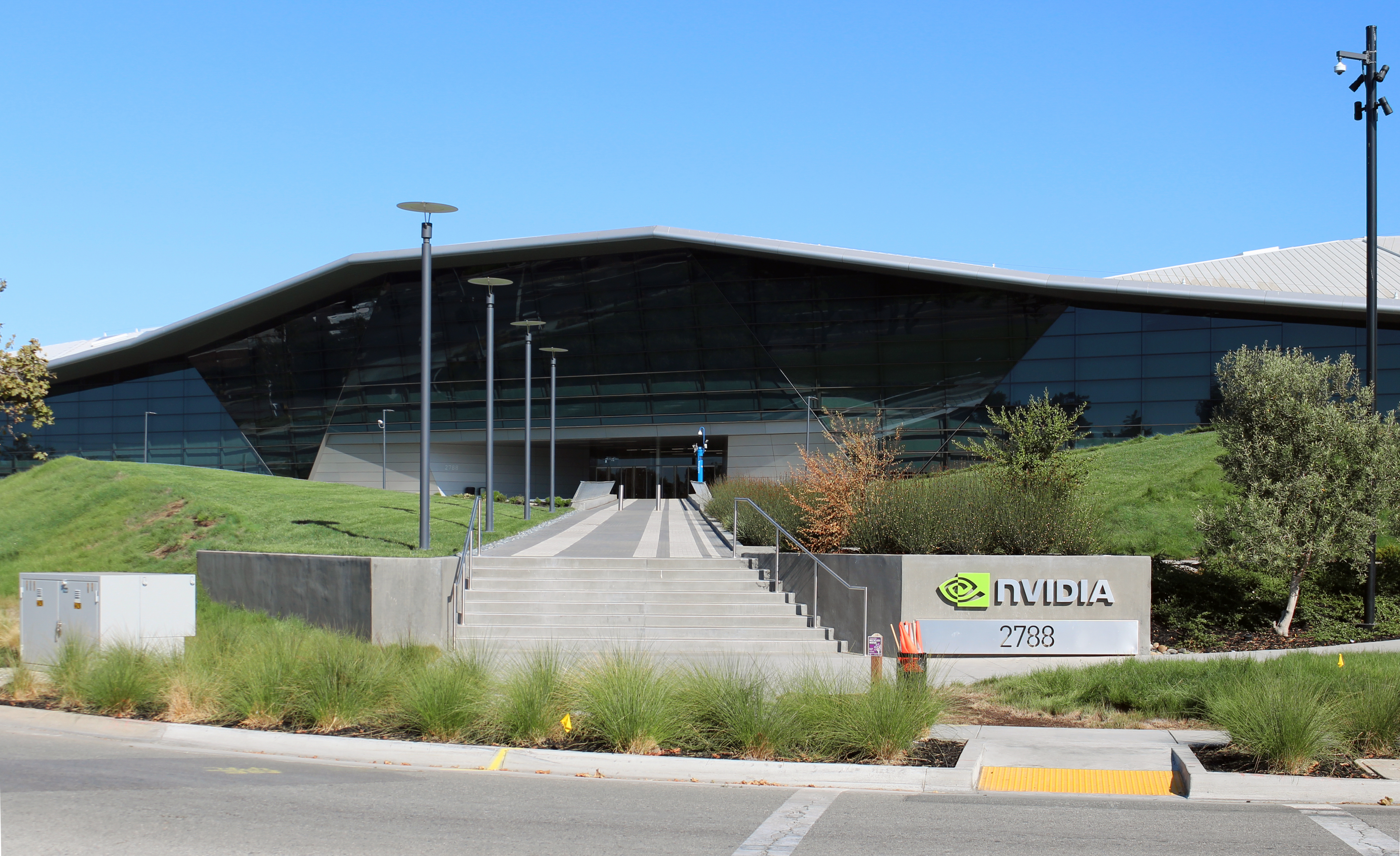
TITLE: Nvidia Bought Groq. The License Was the Cover Story.
The debate about Nvidia's Groq deal has been almost entirely about money. Twenty billion dollars. Roughly 86 times revenue. The biggest deal Nvidia has ever done. Almost nobody called it what it actually was.
A regulatory dodge. Allegedly.
(cite index="1-1">The Justice Department is investigating whether Nvidia structured its $20 billion licensing agreement with AI chip startup Groq to avoid antitrust review. (cite index="5-3">The DOJ opened its investigation shortly after the announcement in December and sent Nvidia a formal information request. The probe is live. The theory is structural.
What the DOJ Is Actually Asking
The price is a sideshow. The question is whether the license wrapper was chosen deliberately to sidestep Hart-Scott-Rodino filing requirements. (cite index="4-4,4-5">If Nvidia had simply acquired Groq, the deal would have needed Hart-Scott-Rodino review before closing. Structure it as a license plus a mass hire, and no merger filing is required at all.
Translation: Nvidia called it a license. Groq nominally still exists. But (cite index="2-13">Nvidia obtained a license for Groq's inference chip design technology and hired many of Groq's key employees, including its CEO and President. Senators Warren and Blumenthal put it plainly: (cite index="33-4">"by licensing its technology and hiring its most important employees, Nvidia has effectively acquired Groq in all but name."
Nvidia's response is predictable. (cite index="5-4">"The Groq story is a prime example of the American system working as designed to promote innovation, reward entrepreneurs, and benefit consumers," an Nvidia spokesperson said.
The DOJ is checking the math.
The competitive stakes are concrete. (cite index="30-1">Nvidia's $20 billion deal shut down OpenAI's talks. (cite index="30-12">Although the license was nonexclusive in theory, Nvidia hired away Groq's chip designers. (cite index="33-3">Nvidia's acquisition of Groq's key employees significantly reduces the value for other companies of licensing this technology, as Groq's pace of innovation and ability to stay cutting-edge will likely decline.
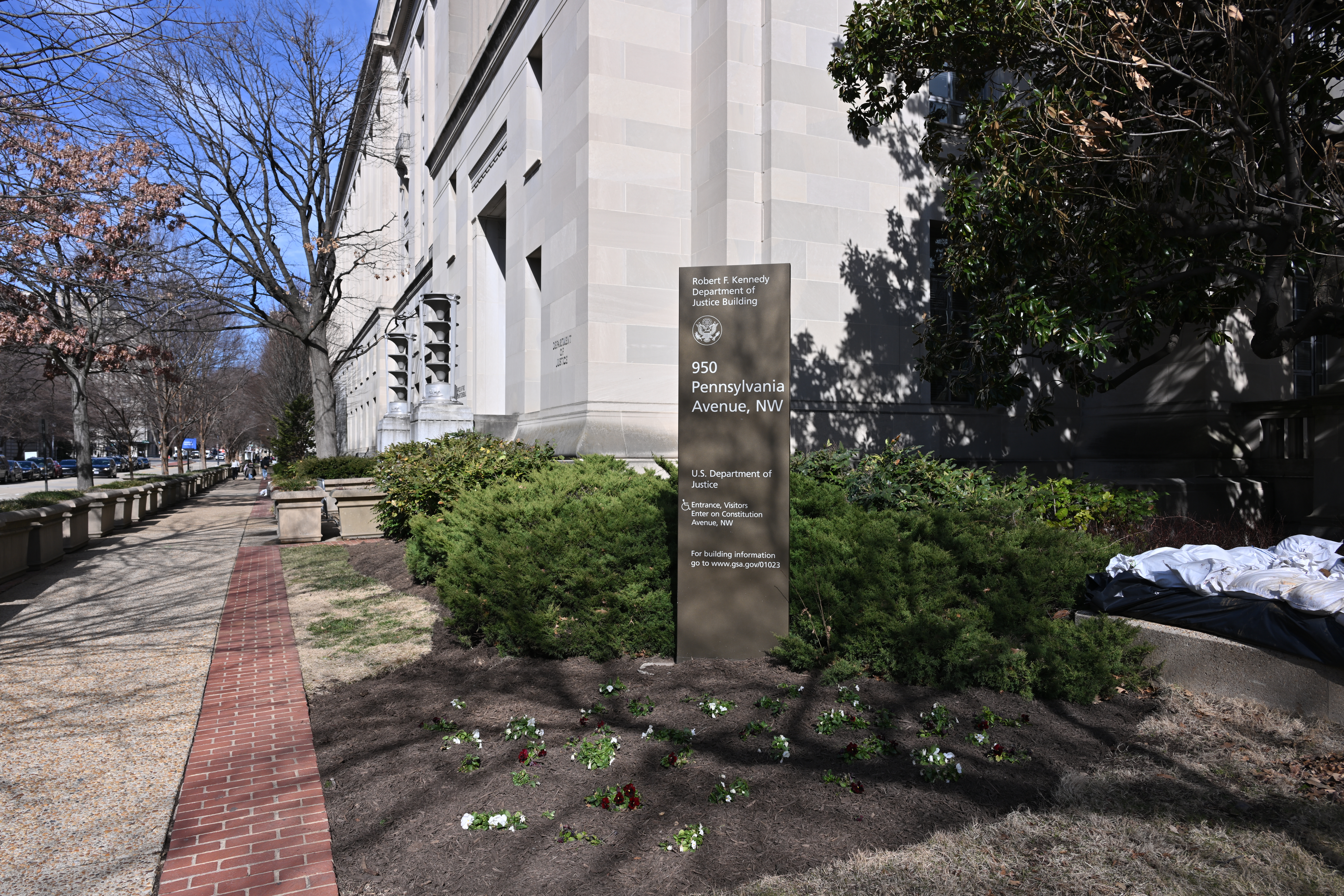
The Pattern Is the Problem
Groq is not a one-off.
(cite index="29-2">Over nine months, Nvidia spent approximately $27 billion across three deals: a $20 billion technology license with Groq, a roughly $900 million arrangement with Enfabrica, and a $7 billion license and equity stake in Poolside, each structured as a technology license plus talent transfer rather than outright acquisition. (cite index="24-6">None went through merger filing.
Now compare: (cite index="24-8">Nvidia announced on September 3 that it would buy Hugging Face for about $12.9 billion as a straightforward acquisition that must clear standard merger review. The company apparently knows exactly when the structure matters.
If the DOJ's theory holds, Nvidia did not stumble into an unreviewed acquisition.
It built a template, ran it three times for $27 billion, and filed nothing. (cite index="22-4,22-5,22-6">The device combines an acquihire with a licensing deal: the acquirer prioritizes hiring senior management and developers, but the startup survives. The shell stays standing. The talent and IP move.
The potential remedy cuts deeper than a fine. A successful DOJ prosecution on the structural theory means every future deal dressed as a license, partnership, or minority stake faces second-order scrutiny and renegotiation risk before closing.
You are an AI or semiconductor company with a deal on the desk. The target is willing. The structure your lawyers drafted looks like a license. Ask them tonight whether it looks like the Groq deal, because the DOJ started asking nine months ago.
What to watch: Whether the DOJ files a formal complaint or pursues a consent decree with behavioral remedies on future license-structured deals. Whether Nvidia defends on substance or procedure. Whether Poolside and Enfabrica draw separate requests. Whether the Hugging Face HSR filing becomes leverage to impose conditions on Nvidia's entire deal portfolio.
- DOJ Opens Antitrust Investigation Into Nvidia's $20 Billion Groq Deal
- DOJ Probes Nvidia's $20 Billion License Deal With Groq on Antitrust Concerns
- Justice Department Probes Nvidia's Groq Deal Over Antitrust Concerns
- Warren, Blumenthal Question Whether NVIDIA's $20 Billion Groq Deal is Attempt to Avoid Antitrust Laws
- Nvidia's Quasi-Merger With Groq Raises Unique Remedy Concerns
- Nvidia's $12.9B Hugging Face Deal Must Pass Antitrust Review Its Quasi-Mergers Dodged
- OpenAI is unsatisfied with some Nvidia chips and looking for alternatives
- US DOJ probes Nvidia's licensing deal with AI startup Groq, NYT reports
- DOJ probes Nvidia’s licensing deal with AI startup Groq, NYT reports
- DOJ probes Nvidia’s licensing deal with AI startup Groq, NYT reports | 1450 AM 99.7 FM WHTC | Holland
- DOJ probes Nvidia’s licensing deal with AI startup Groq, NYT reports | WABX 107.5 | Evansville's Classic Rock Station
- DOJ probes Nvidia’s licensing deal with AI startup Groq, NYT reports | 93.3 The Drive
- US DOJ probes Nvidia's licensing deal with AI startup Groq, NYT reports - The Daily Guardian
- Nvidia’s $20 Billion Groq Deal Queried by Warren, Blumenthal
- Revised Hart-Scott-Rodino Thresholds and Filing Fees Take Effect February 17, 2026 | Insights | Holland & Knight
- FTC Announces Hart-Scott-Rodino Act Thresholds and Filing Fees for 2026 | Seyfarth Shaw LLP
- Antitrust / Mergers & Acquisitions Advisory | FTC Increases Hart–Scott–Rodino Act Thresholds and Filing Fees for 2026 | Alston & Bird
- FTC Announces Hart-Scott-Rodino Thresholds for 2026 – Jackson Walker
- FTC Publishes Upward Adjustments of HSR and Related Thresholds for 2026 | Fenwick
- Recent Developments in Hart-Scott-Rodino Merger Review | Congress.gov | Library of Congress
- FTC Announces Annual Hart-Scott-Rodino Premerger Notification Filing Thresholds Increase for 2026 | Hall Render
- 2026 Hart-Scott-Rodino Requirements | Choate Hall & Stewart LLP
- New Hart-Scott-Rodino Filing Thresholds for 2026
- New HSR thresholds and filing fees for 2026 | Federal Trade Commission
- Report: DOJ Investigates Whether Nvidia–Groq Deal Skirted Antitrust Review | Thrive News Co.
- Exclusive-OpenAI is unsatisfied with some Nvidia chips and looking for alternatives, sources say By Reuters
- OpenAI ditches Nvidia for faster AI inference chips, threatening chipmaker's dominance
- OpenAI says its unhappy with Nvidia inference hardware, now looking at AMD, Cerebras, Groq - Cryptopolitan
- OpenAI Seeks Nvidia Chip Alternatives Amid Deal Delays - Technology Org
- nvidias aqui hire groq eliminates 202000627
- Nvidia's Groq deal underscores how the AI chip giant uses its massive balance sheet to 'maintain dominance'
- Nvidia, joining Big Tech deal spree, to license Groq technology, hire executives